The Next Generation of Companies Won't Be Built With a Single Agent
Something is shifting. Fast.
The most competitive companies of the next decade won't be the ones that deployed the smartest AI. They'll be the ones who figured out, early, that one agent isn't enough — you need an organization.
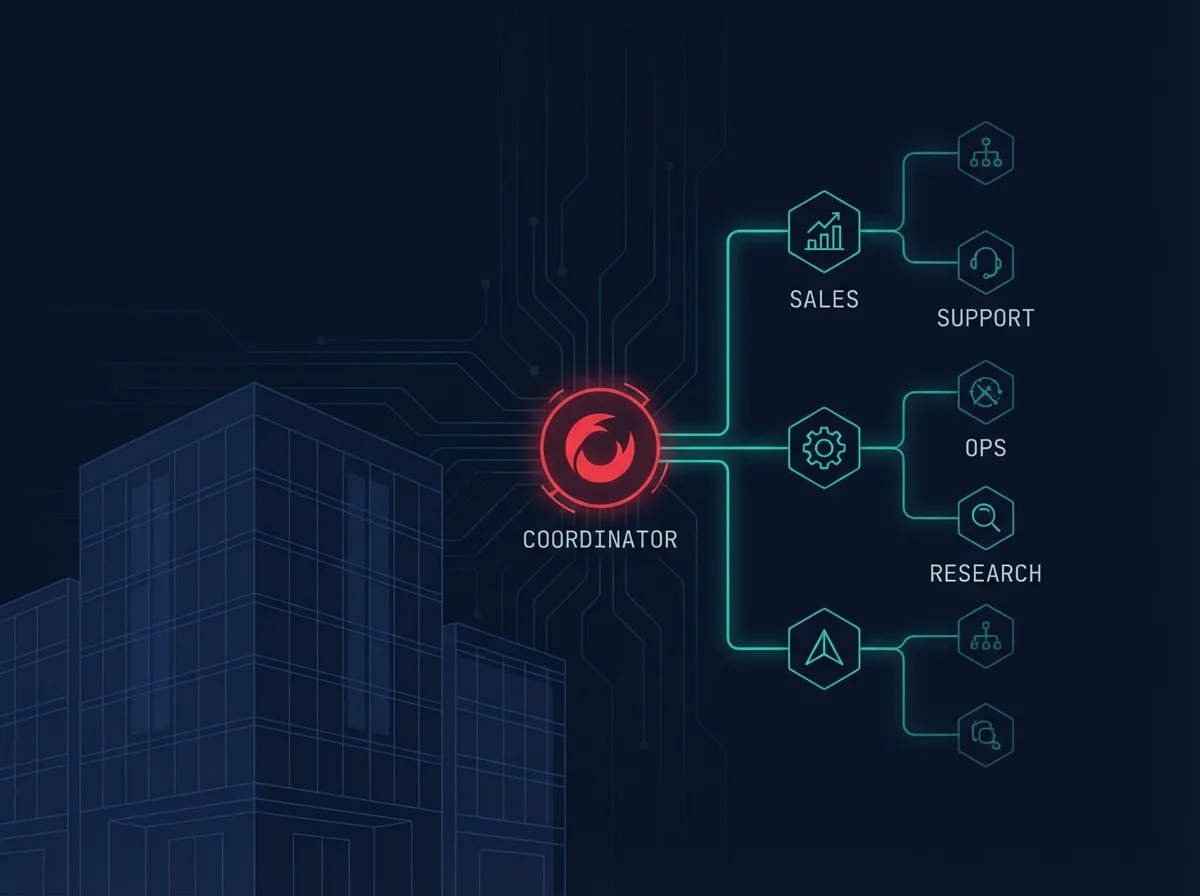
Not a bot. Not a stack of disconnected tools. An actual org chart — with structure, teams, shared intelligence, and the right brain assigned to every role.
That's what we're building. And it's happening faster than most founders realize.
The Single-Agent Era Is Already Over
Most companies deploy AI the same way they bought their first laptop: one unit, one job, isolated from everything else.
That era is over.
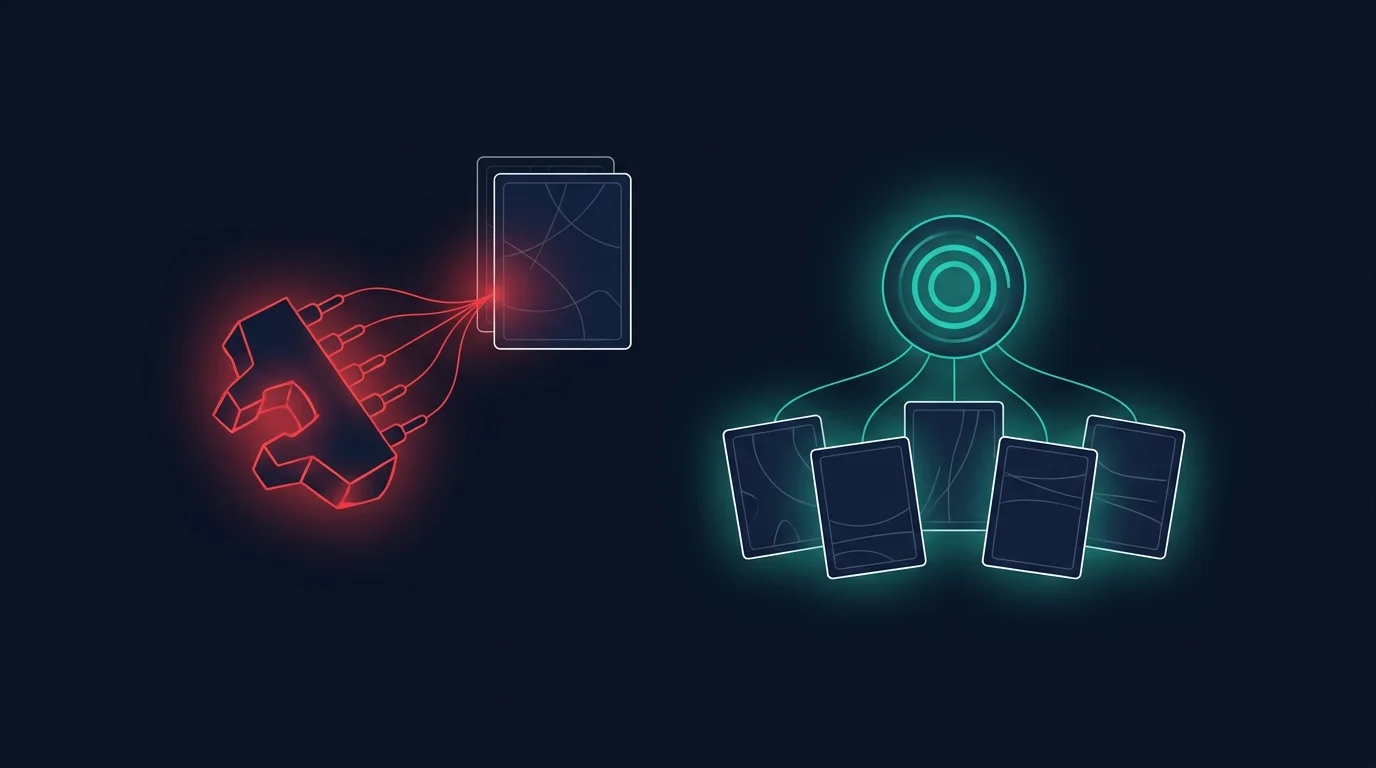
The organizations winning right now aren't running one agent — they're running structured AI workforces. Teams with routing logic. Escalation paths. Specialization. An agent for the front line and a different, smarter one for what the front line can't handle.
This isn't a trend. It's a structural shift in how organizations are designed.
What an AI Organization Actually Looks Like
We built the infrastructure to make this real. Here's what it means in practice:
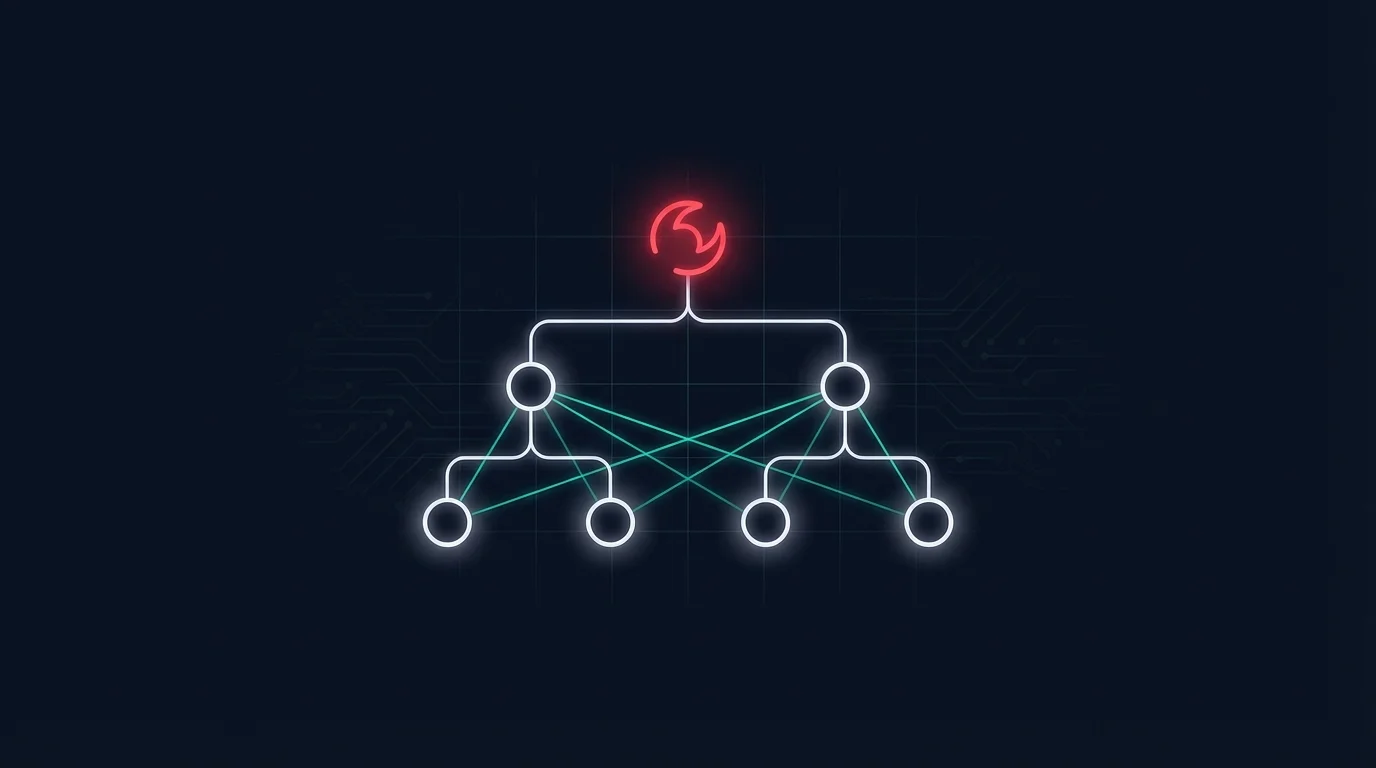
- Org charts, not bots — you design a team. You define who handles what, who escalates to whom, how the whole system routes from the front line to the right expert. Your org chart is now a living operational system.
- Skills that propagate — you build a capability once and assign it across your entire workforce. Update the skill, every agent gets it. The intelligence compounds. The workforce improves as a unit.
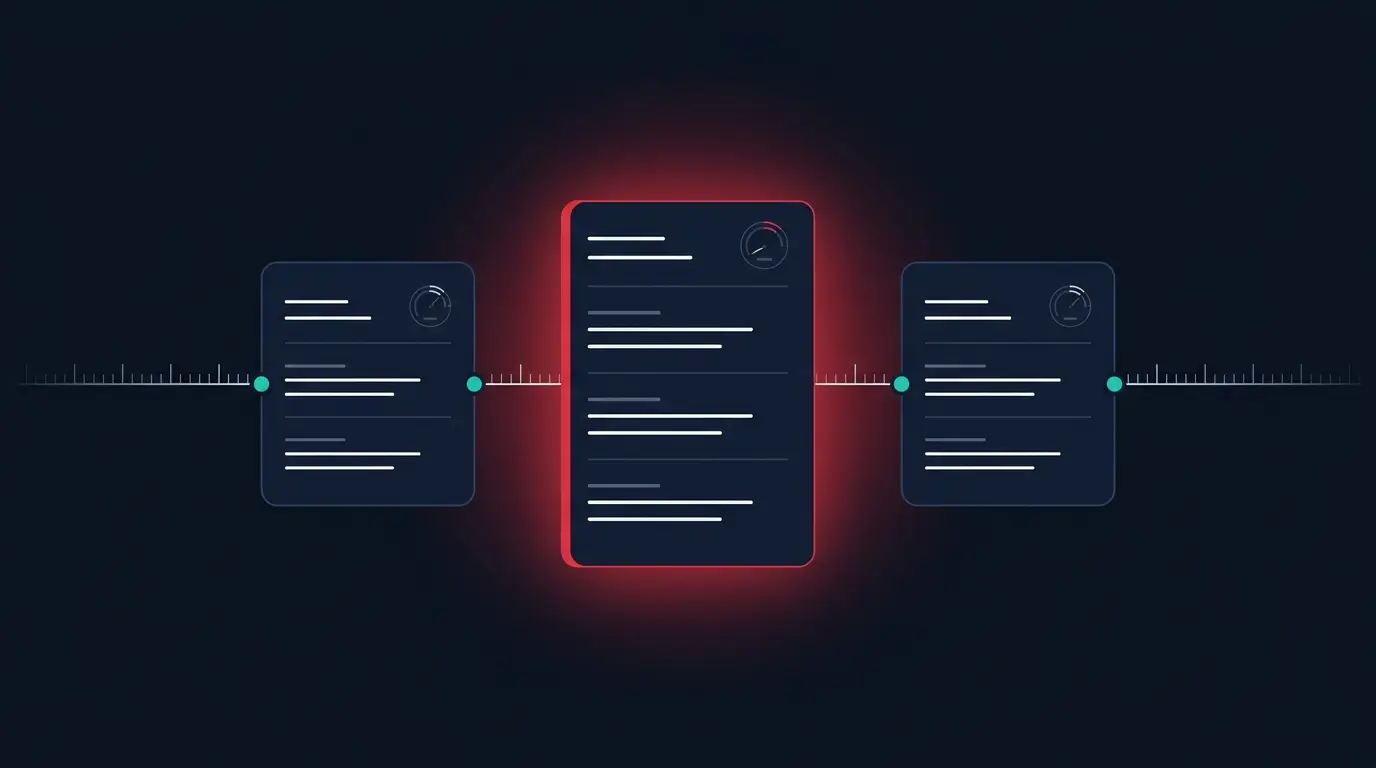
- Model selection by role — a fast lightweight model for high-volume routing. A frontier model where the work demands it. Every agent runs the brain it actually needs — not more, not less.
That's the architecture of an intelligent organization. Not powerful by accident. Calibrated by design.
The Companies That Move First Win
We're at an inflection point. Building an AI organization used to require a team of engineers and months of infrastructure work. Now it doesn't.
The founders who understand this aren't asking "which AI tool should we use?" They're asking: "What does our AI organization look like?"
That's a fundamentally different question. And it leads to fundamentally different companies — ones that are more capable, more coordinated, and structurally harder to compete with than anything built on isolated agents.
This Is What Clawployees Is For
We built Clawployees because the infrastructure for AI organizations didn't exist. You could deploy an agent. But you couldn't build a workforce — with org structure, shared skills, team routing, and model-level calibration all in one place.
Now you can.
Design your org chart. Build your skills. Assign the right model to every role. Deploy. Iterate.
The companies building on this today are ahead on more than tools. They're ahead on thinking — and that gap is going to widen fast.
The next generation of companies won't be built with a single agent.
The ones who figure that out first will be very hard to catch.