Clawployees vs Nous Portal: Which AI Agent Platform Fits Your Team?
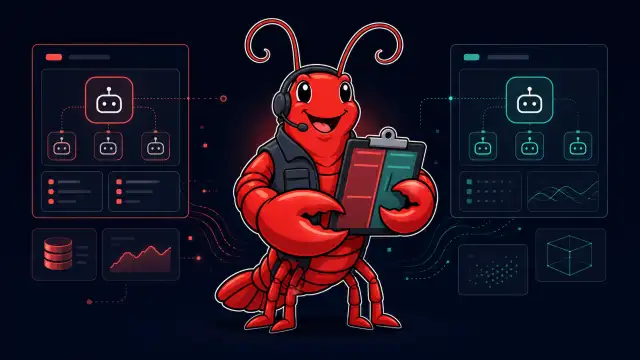
If you are comparing Clawployees with Nous Portal, the most important thing to understand is that they are not trying to be the same product.
Clawployees is built around hiring AI helpers for practical business jobs: support, sales, research, email, calendar work, and similar recurring tasks. You pick a role, connect the tools your team already uses, set approval rules, and manage the work from one dashboard.
Nous Portal is the account, credit, model, API, and cloud layer around Nous products, especially Hermes Agent. Hermes Agent is an open source AI agent from Nous Research that can run through a desktop app, terminal install, or hosted Hermes Cloud instance. It is powerful, technical, and designed for people who want a flexible agent that can live across many surfaces.
That makes the comparison useful, but only if you compare them on the right axis. The question is not simply which one has more agent features. The better question is: do you want to hire and manage AI helpers for a team, or do you want to run and shape a Hermes Agent environment?
Quick Verdict
Choose Clawployees if your priority is a business-ready AI helper that works in familiar roles, can be governed with approvals, and does not require your team to think about agent runtime setup.
Choose Nous Portal with Hermes Agent if your priority is direct access to a technically capable Hermes agent, broad model access, developer-style configuration, hosted or self-managed runtime options, and experimentation with the Nous ecosystem.
What Clawployees Is Optimized For
Clawployees turns agents into recognizable coworkers. The product language is deliberately job-first: email assistant, customer support helper, sales outreach helper, executive assistant, research assistant. Instead of asking a user to assemble an agent from runtime primitives, Clawployees starts with the work the user wants done.
The setup flow is built for operators and small teams. Pick a role, connect Slack, email, Telegram, WhatsApp, Discord, Google Workspace, or other tools, then decide what the helper can do alone and what needs human approval. The platform gives teams a place to review conversations, usage, approvals, and handoffs so the work does not feel hidden.
That is the core Clawployees bet: most businesses do not want to become agent infrastructure experts before they can automate inbox triage, first-line support, lead research, or daily briefings. They want a helper with a job description, a place to work, and clear rules.
What Nous Portal Is Optimized For
Nous Portal is closer to a control plane for the Nous ecosystem. The portal exposes API keys, usage, account settings, model access, embeddings, tool pricing, and Hermes Cloud. Its own product page says Hermes Cloud runs a hosted Hermes Agent on a dedicated cloud instance with its own workspace and dashboard, billed hourly from Nous credit.
Hermes Agent itself is the center of the experience. The official Hermes Agent site describes it as open source under an MIT license and highlights desktop installation, terminal installation, persistent memory, natural-language scheduling, isolated subagents, browser automation, web search, image generation, text-to-speech, multi-model reasoning, and sandbox backends. The documentation also frames Hermes Agent as an autonomous agent that gets more capable the longer it runs.
That is a strong fit for technical users, AI-native operators, researchers, and builders who want to work directly with an agent runtime. It is less like hiring a packaged support helper and more like receiving a powerful agent workbench.
Where They Overlap
There is real overlap. Both products are about agents that can operate outside a single chat window. Both care about messaging surfaces. Both care about memory, scheduling, tool use, and long-running work. Both are aimed at users who believe an AI assistant should do more than answer one prompt at a time.
On channels, the overlap is especially visible. Clawployees advertises helpers that work in Slack, email, Telegram, WhatsApp, Discord, Google Workspace, and support tools. Hermes Agent lists Telegram, Discord, Slack, WhatsApp, Signal, email, CLI, and more. If your only requirement is that an agent should be reachable from the places you already communicate, both products understand that world.
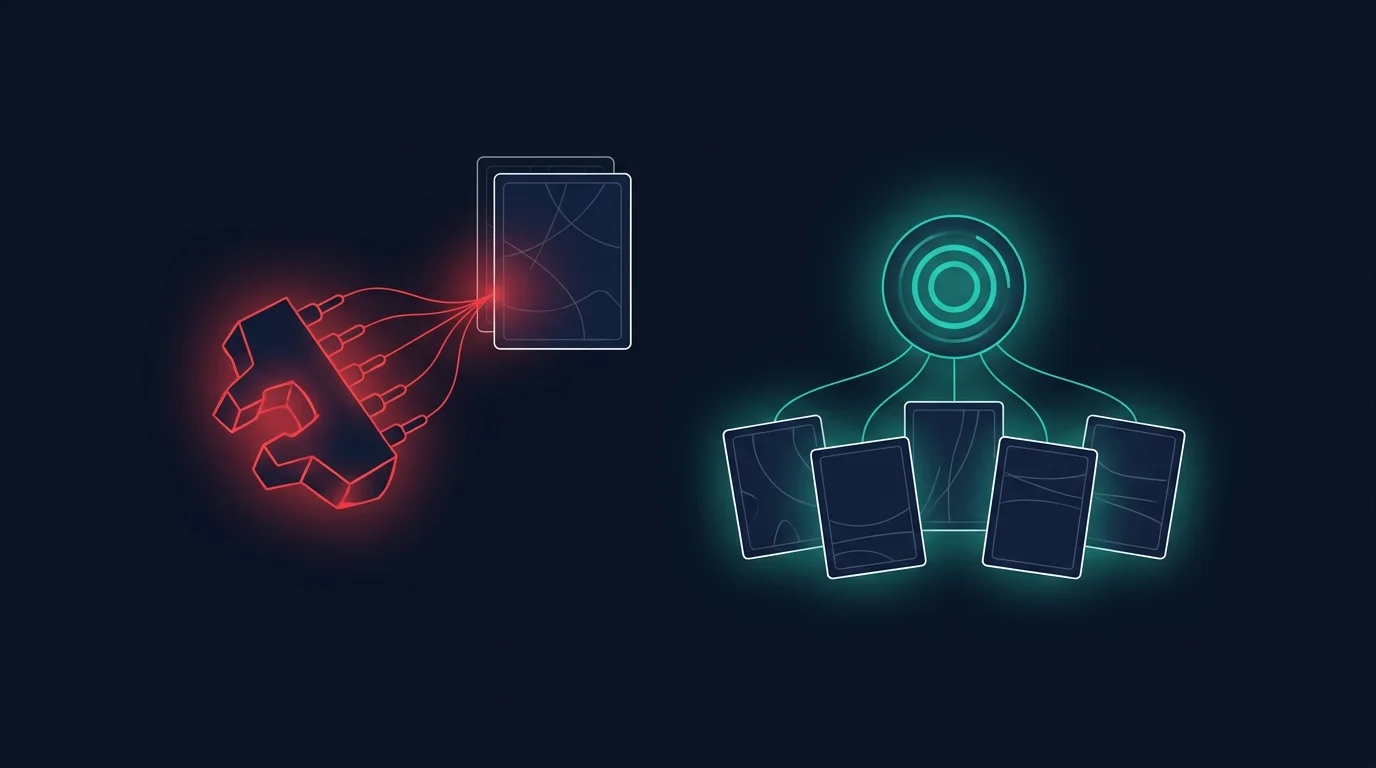
The difference is packaging. Clawployees abstracts the runtime behind business roles and team controls. Nous Portal gives you access to Hermes Agent and the wider Nous model and tool ecosystem. One is an AI workforce product. The other is a model and agent platform product.
The Biggest Product Difference: Role vs Runtime
Clawployees leads with roles. The user thinks in terms of who they need: a support helper, an email helper, a research helper, a sales helper. That makes the product easier to evaluate for teams with a specific operational pain. The buyer can ask: can this helper answer support questions, draft follow-ups, escalate uncertain replies, and show me what happened?
Nous Portal leads with runtime capability. The user thinks in terms of Hermes Agent, models, credits, hosted instances, tool use, and configuration. That makes the product attractive to people who want control over the agent environment itself. The buyer can ask: where does the agent run, which models can it use, which tools are available, how much does inference cost, and how much can I customize?
Neither approach is universally better. They serve different moments. When a team wants a practical employee-shaped interface, role-first wins. When a technical user wants a highly capable agent substrate, runtime-first wins.
Setup and Hosting
Clawployees is hosted for you. The public pricing page positions hosting as included on Starter, Pro, and Business plans. That matters for teams that do not want to operate servers, manage gateway processes, monitor agent runtime health, or explain SSH access to nontechnical staff.
Nous gives users more control over where Hermes Agent runs. The Hermes docs say it can run on a laptop, VPS, GPU cluster, or serverless infrastructure. Nous Portal also offers Hermes Cloud for dedicated hosted instances. As of July 9, 2026, the Nous Portal info page lists Hermes Cloud instance sizes from Small to Large, with running prices shown from $0.32 per day to $1.12 per day, excluding inference and tool usage.
That flexibility is valuable, but it also changes who owns the operating model. A technical user may prefer the control. A small business team may prefer not to think about it.
Controls, Approval, and Team Use
Clawployees is stronger when the buyer is asking governance questions: what can the helper do without approval, when should a human take over, how do we review the work, and how do multiple helpers fit into a team?
The Clawployees homepage is explicit about those controls. It says users can decide what a Clawployee can do alone, what needs approval, and when a person should take over. It also emphasizes reviewable conversations, answers, approvals, and usage from one dashboard.
Nous Portal and Hermes Agent are more agent-native than team-operations-native. Hermes Agent has serious technical controls around configuration, providers, tools, sandboxing, terminal backends, MCP, and messaging gateways. For a builder, those are exactly the right controls. For a support lead who wants five agents answering routine tickets with escalation rules, Clawployees is the more direct fit.
Pricing Model
Clawployees prices around helpers. Its public pricing starts at $29 per month for one AI helper, then moves to higher tiers for more helpers, higher message volume, team permissions, custom domains, dedicated hosting, and support.
Nous Portal prices around credits, plans, models, tools, and optional Hermes Cloud hosting. Paid Hermes tiers include monthly credits for use in Hermes Agent, access to many models, and built-in tool use. Hermes Cloud hosting is separately listed by instance size and billed hourly from Nous credit.
So the pricing question is different. With Clawployees, you ask how many helpers and how much business usage you need. With Nous Portal, you ask which Hermes tier, model usage, tool usage, and cloud instance profile you need.
Who Should Pick Clawployees?
- Teams that want to hire an AI helper by job, not assemble an agent from scratch.
- Founders and operators who want support, email, research, sales, or calendar work handled quickly.
- Teams that need approvals, handoff, and dashboard review before trusting an agent with customer-facing work.
- Businesses that want hosting, setup, and controls included.
- Nontechnical teams that want agents in Slack, email, WhatsApp, Telegram, Discord, and Google Workspace without owning the runtime.
Who Should Pick Nous Portal and Hermes Agent?
- Technical users who specifically want Hermes Agent.
- Builders who want open source agent software and direct runtime control.
- Researchers and advanced users who care about memory systems, subagents, sandboxing, MCP, and multi-model workflows.
- Users who want broad model access through Nous Portal and OpenRouter-powered model availability.
- People comfortable choosing where an agent runs, whether locally, on a VPS, through serverless infrastructure, or on Hermes Cloud.
Bottom Line
Nous Portal is compelling if you want the Hermes ecosystem: Hermes Agent, model access, credits, tools, and optional cloud-hosted instances. It is powerful because it gives technical users a direct path into a serious agent runtime.
Clawployees is compelling if you want the agent to show up as a coworker, not a project. It is built around jobs, channels, approvals, handoff, hosting, and review. That makes it easier for small teams to put agents into real workflows without making runtime management part of the job.
The simplest rule is this: choose Nous Portal when you want to run Hermes; choose Clawployees when you want to hire helpers.